In contemporary European design, there is a growing shift away from excess. Architects and designers are increasingly choosing materials that feel grounded, honest, and enduring. While finishes and colors evolve seasonally, certain materials remain constant.
Natural stone mosaics are one of them.
They do not demand attention. They do not rely on bold statements. Instead, they offer something more subtle texture, depth, and permanence.
A Material That Ages with Grace
Unlike synthetic surfaces that may fade or lose relevance over time, natural stone matures. Its slight tonal variations and organic patterns become part of the space’s identity. What may initially appear understated often reveals complexity over time.
This is particularly aligned with European architectural philosophy, where design is often intended to last decades rather than years.
Stone mosaics contribute to that longevity by offering:
- Structural durability
- Visual stability
- Natural variation that avoids repetition
They feel intentional rather than temporary.
Texture as a Design Language
Minimalist interiors dominate much of today’s European market. Clean lines, neutral palettes, and open spaces define the aesthetic. Yet minimalism without texture can feel cold.
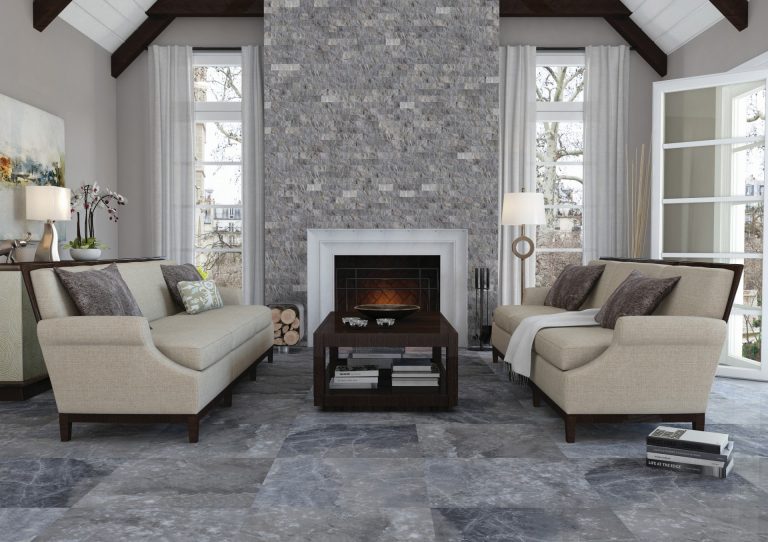
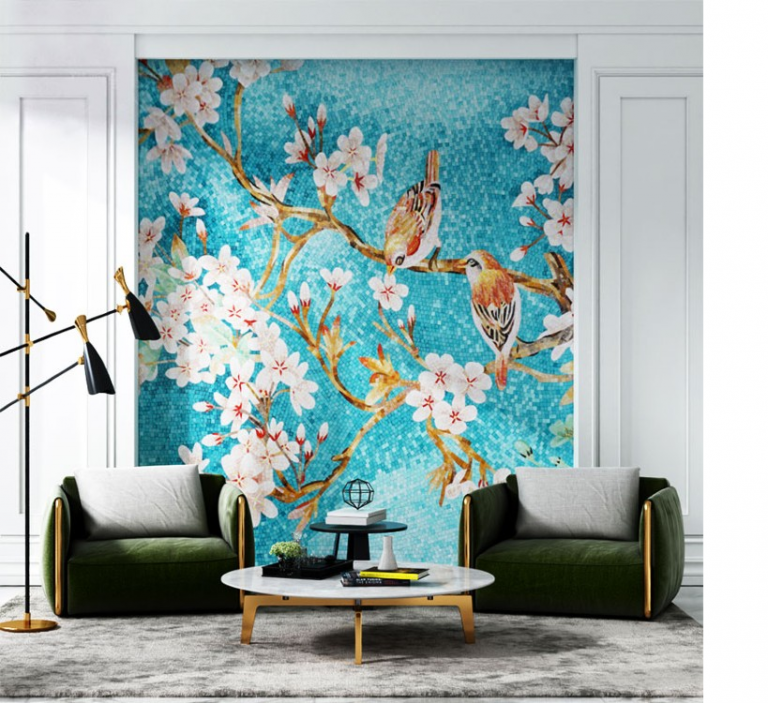
Natural stone mosaics introduce tactile quality without disrupting simplicity. A textured wall in a bathroom, a stone backsplash in a kitchen, or a subtle exterior accent can transform a flat surface into a layered experience.
Texture becomes a language quiet, but expressive.
From Raw Material to Refined Surface
Quality in stone mosaics begins long before installation. It starts at the source.
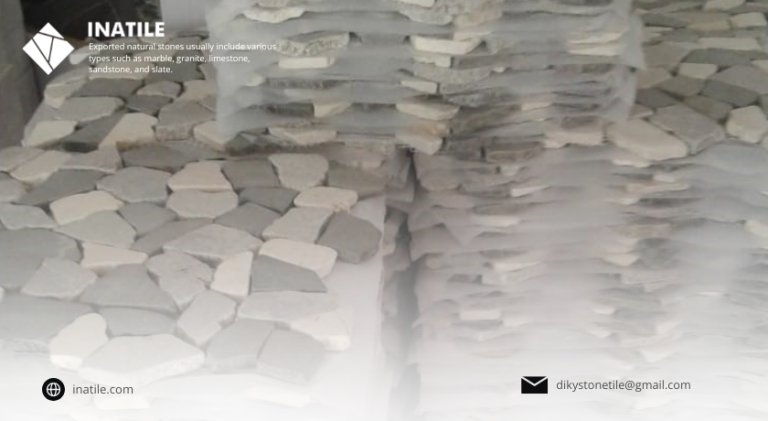
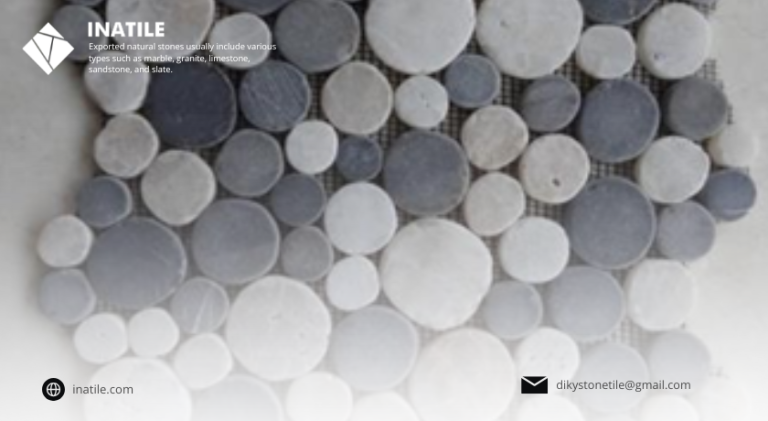
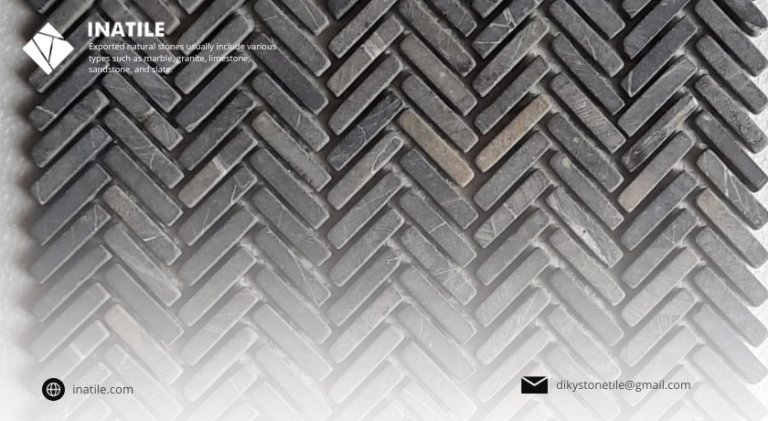
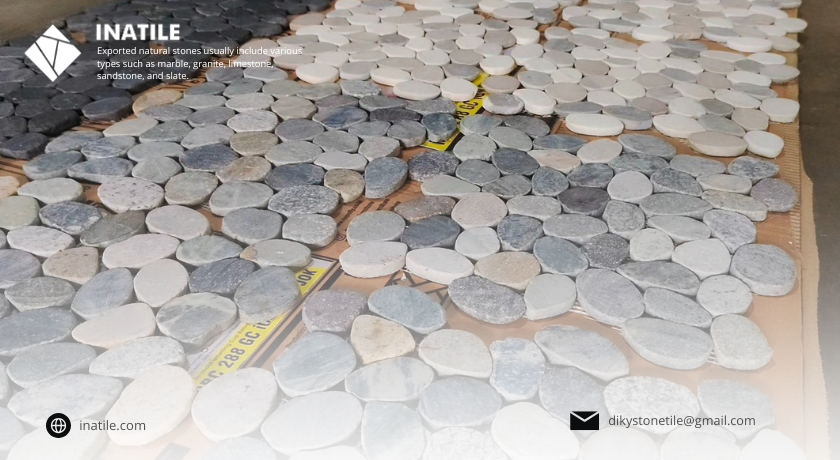
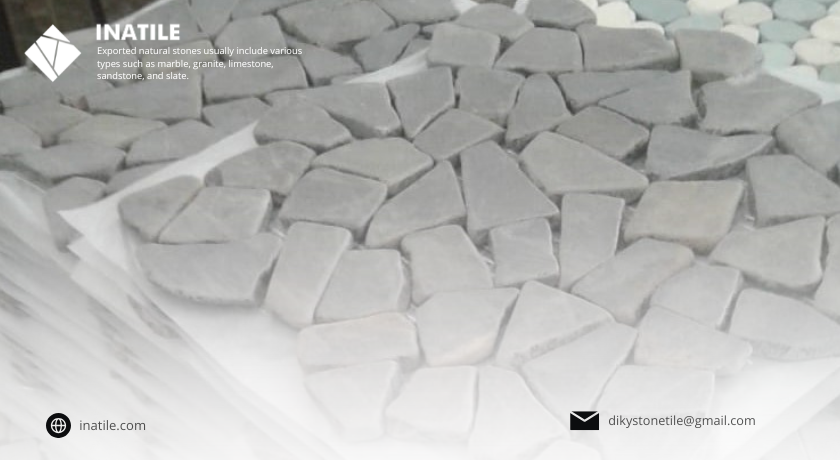
Producers such as Inatile, working with Indonesia’s diverse natural stone resources, focus on selecting stones that combine visual character with structural integrity. Materials like marble, andesite, limestone, slate, and river stone are shaped into mosaic formats that balance natural irregularity with manufacturing precision.
The objective is not to erase the stone’s character, but to refine it ensuring it meets the expectations of modern architectural applications in Europe.
Versatility Across Project Types
One reason natural stone mosaics continue to gain relevance is their adaptability. They integrate seamlessly into:
- Residential interiors
- Hospitality and boutique hotels
- Wellness and spa facilities
- Outdoor architectural elements
Their presence enhances without overwhelming. They complement rather than compete.
A Sustainable Decision Rooted in Longevity
Sustainability discussions often focus on new technologies, but the most sustainable materials are often those that last. Natural stone requires minimal replacement, withstands environmental exposure, and maintains aesthetic value over time.
In that sense, stone mosaics represent not just a design choice, but a responsible one.
Choosing Materials with Intention
In architecture and design, the most successful spaces are built on thoughtful decisions. Materials are not selected for novelty, but for contribution.
Natural stone mosaics offer something rare in contemporary construction: authenticity. They connect modern spaces to geological time, craftsmanship, and material truth.
And in a market that increasingly values substance over spectacle, that quiet strength matters.