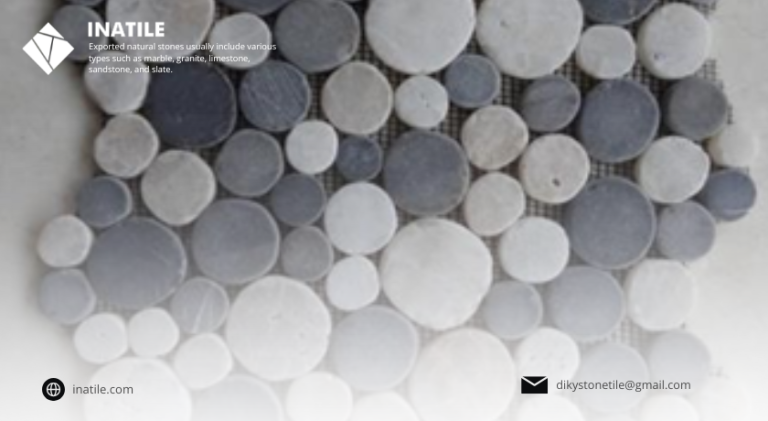
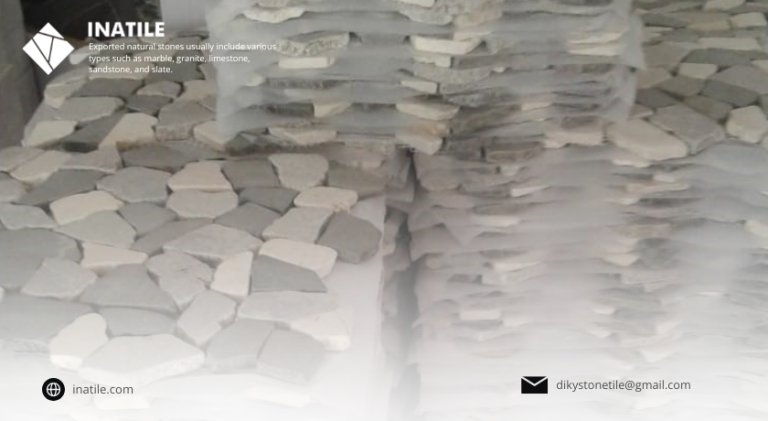
Mosaic stone tiles are decorative surface coverings made from small pieces of natural stone arranged to form patterns or images. These tiles are commonly used in both interior and exterior architectural applications, valued for their aesthetic appeal, durability, and natural variation in texture and color.
History and Origins
The use of mosaic techniques dates back to ancient civilizations, including the Greeks, Romans, and Byzantines, who created intricate floor and wall mosaics using stone, glass, and ceramic. Natural stone mosaics have been widely used in religious, public, and residential buildings for both decorative and functional purposes.
Modern mosaic stone tiles continue this tradition, combining historical craftsmanship with contemporary manufacturing processes. The evolution of cutting, polishing, and mounting techniques has made these products more accessible and standardized for global use.
Materials
Mosaic stone tiles are typically made from a variety of natural stones, including:
- Marble
- Slate
- Travertine
- Limestone
- Sandstone
- Basalt
- Andesite
Each type of stone offers distinct physical and aesthetic properties, such as color variation, porosity, and hardness. The natural origins of the stones ensure that no two tiles are exactly alike, contributing to the uniqueness of mosaic installations.
Manufacturing Process
The production of mosaic stone tiles generally involves the following steps:
- Stone Selection – Raw stone is chosen based on quality, color, and texture.
- Cutting – The stone is cut into small, uniform pieces, often using waterjet or diamond saws.
- Sorting and Arranging – Pieces are manually or mechanically arranged into specific patterns or designs.
- Mounting – The arranged stones are fixed onto mesh backing sheets for easier handling and installation.
- Finishing – Tiles may be polished, honed, tumbled, or left in a natural state depending on desired surface texture.
Applications
Mosaic stone tiles are used in a wide range of settings, including:
- Residential Interiors: bathrooms, kitchens, living room feature walls
- Commercial Spaces: hotel lobbies, retail stores, spas, restaurants
- Outdoor Areas: patios, pools, garden paths, facades
Their versatility allows for both functional and decorative use, particularly in wet or high-traffic environments where durability and slip resistance are important.
Characteristics and Benefits
- Durability – Natural stone is resistant to weather, water, and wear.
- Timeless Aesthetic – Stone mosaics add classic elegance to any space.
- Design Flexibility – Available in numerous patterns, shapes, and colors.
- Sustainability – Natural material with a relatively low environmental impact.
Global Production and Export
Mosaic stone tiles are produced in various regions around the world, including Southeast Asia, the Mediterranean, the Middle East, and parts of Europe and South America. Countries with abundant natural stone resources and traditional stonecraft industries often play a major role in global exports.
Indonesia, for example, is known for exporting natural stone mosaics made from andesite, lava stone, and other locally sourced materials. Similar industries exist in Turkey, India, China, and Brazil.